Ava
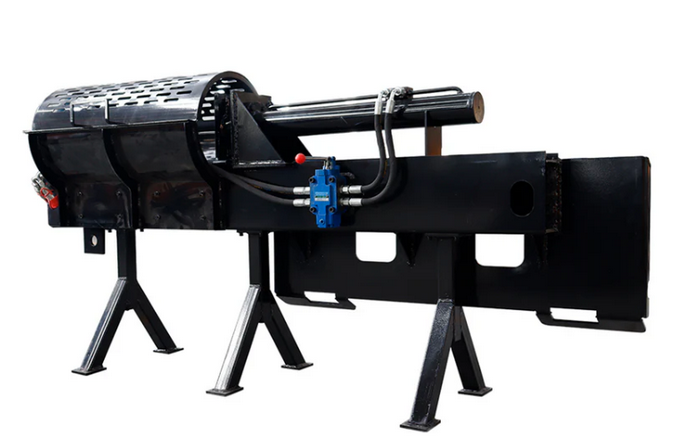
Ava A skid steer log splitter can turn a versatile loader into a practical wood-processing machine for farms, acreage owners, firewood businesses, and small construction crews. Instead of relying on slower manual splitting methods, operators can use hydraulic power and attachment-based efficiency to process timber with less physical strain and better workflow. The MMS hydraulic wood processor page positions its unit for farms and small construction projects, and lists a 300 mm splitting diameter, 550 mm splitting length, universal mounting, and compatibility with most skid steer makes and models. Bobcat’s official attachment guide also highlights that skid-steer attachments expand machine versatility and help operators take on more tasks with the same base machine.
What Is a Skid Steer Log Splitter?
A skid steer log splitter is a hydraulic attachment that connects to a skid steer loader so the machine can help split logs and timber more efficiently than manual methods. In simple terms, it gives your loader another job: wood processing. That makes it especially useful for operators who already own a skid steer and want to increase productivity without adding another standalone machine to the fleet. Bobcat notes that attachments are what make skid-steer loaders highly versatile, while MMS describes its hydraulic firewood attachment as a wood processor intended for efficient splitting in farm and small-project environments.
For many buyers, that versatility is the real value. One machine can handle loading, grading, cleanup, and wood handling, then switch to splitting work when needed. If your workflow changes from season to season, an attachment-based setup can be more practical than buying a dedicated single-purpose unit.
Why a Skid Steer Wood Splitter Makes Sense
A skid steer wood splitter is appealing because it blends hydraulic force with jobsite mobility. Rather than dragging logs to a separate processing area and splitting them one by one, operators can bring the machine closer to the work zone, reduce extra handling, and keep production moving. MMS specifically promotes its unit as a high-efficiency solution for splitting logs and timber, while Bobcat emphasizes that the right attachment can help operators maximize the value of their machine investment.
This kind of setup can be a strong fit for:
- Farms that process firewood for seasonal use
- Property owners clearing fallen timber
- Small construction operations dealing with wood waste
- Firewood sellers who want more consistent output
- Equipment owners who prefer multi-use machinery over single-use tools
Those use cases align with the product positioning on the MMS page and the broader attachment-versatility guidance from Bobcat.
Key Features to Look for in a Skid Steer Log Splitter Attachment
When comparing any skid steer log splitter attachment, specs matter. The MMS model you shared includes several details that are especially relevant to buyers evaluating performance, fit, and day-to-day usability.
Splitting Capacity
The MMS unit lists a 300 mm splitting diameter and a 550 mm splitting length. That gives buyers a concrete starting point for understanding what size material the attachment is designed to handle. If you regularly process medium-size logs and want a machine-based solution instead of manual splitting, those dimensions are worth noting.
Hydraulic Performance
The product page specifies a working pressure of 160 bar. Hydraulic pressure is one of the most important performance indicators for powered attachments because it affects how the attachment works with the machine’s hydraulic system. Bobcat also advises operators to verify hydraulic compatibility when selecting skid-steer attachments, including the right hydraulic setup for the job.
Universal Mounting
MMS states that the attachment uses a universal mount and can hook up to universal skid steer loaders. That matters because attachment compatibility is often one of the first things buyers check before moving forward. A universal-style interface can make the attachment more appealing to owners running mixed fleets or widely used loader formats.
Broad Compatibility
The product page says the MMS splitter is compatible with most skid steer makes and models on the market. That broad compatibility claim supports its use as a practical option for buyers who do not want to be locked into a narrow equipment match. Bobcat’s buyer guide likewise stresses the importance of matching attachments to the machine’s size, hydraulics, and intended application.
Durability and Support
MMS highlights durability-focused design, free U.S. shipping, a 1-year warranty, and lifetime technical support on the product page. For buyers comparing attachments online, these support details can help reduce purchase hesitation, especially when the attachment will be used for recurring seasonal work.
Real Advantages for Daily Wood Processing
The biggest advantage of this type of attachment is not just splitting force. It is workflow improvement. When your loader becomes part of the wood-processing chain, you reduce time spent lifting, repositioning, and moving material manually. MMS markets its hydraulic unit as an efficient and cost-effective way to split logs and timber, and Bobcat explains that attachments allow compact loaders to take on new tasks and improve productivity.
In practical terms, that can mean:
- Faster turnaround when handling repeated batches of firewood
- Less manual strain compared with traditional hand-splitting methods
- Better use of a machine you may already own
- Easier integration into farm or yard workflows
- More consistent operation for recurring wood-processing jobs
These outcomes are a reasonable fit with the official product description and the loader-attachment guidance from Bobcat.
How to Choose the Right Attachment for Your Loader
Not every splitter is right for every machine. Bobcat’s compact loader guide gives a useful framework that applies here: define the job, check attachment size and weight, confirm hydraulic compatibility, evaluate durability, consider maintenance needs, and look for easy attachment mechanisms.
Here is a smart buying checklist:
1. Match the Attachment to Your Work
Ask yourself whether you are splitting occasional storm-fallen wood, processing farm firewood, or handling regular commercial output. A lighter-duty user may want simplicity and easy hookup, while a heavier-use buyer may focus more on durability and daily workload capacity. Bobcat recommends starting with the specific application before choosing an attachment.
2. Confirm Hydraulic Requirements
A hydraulic attachment is only as useful as the machine powering it. Check that your skid steer can support the attachment properly and that your machine’s hydraulic setup is suitable. Bobcat explicitly advises operators to verify hydraulic compatibility when choosing powered attachments.
3. Look at Mounting and Compatibility
The MMS product page emphasizes a universal mount and broad brand compatibility. That can save time during research, but buyers should still confirm fit with their specific model before purchase. Compatibility is one of the most important checkpoints in any skid steer attachment decision.
4. Prioritize Durability
Attachments used around timber, rough ground, and repeated hydraulic cycles need solid build quality. Bobcat recommends prioritizing strength, reinforced construction, and durable materials when selecting attachments, while MMS also positions its splitter as a durability-focused accessory.
5. Think About Ease of Operation
MMS describes the unit as lightweight and easy to install, and Bobcat advises buyers to consider usability features that make attachment changes simpler and faster. In the real world, equipment that is easier to hook up and operate often gets used more consistently.
Best Use Cases for This Type of Splitter
A machine-based log splitter is not only for large commercial timber yards. It can also be a valuable fit for smaller-scale users who still want cleaner workflow and stronger output. Based on the MMS product positioning, this kind of attachment is particularly suitable for farms and small construction projects.
That makes it a strong option for:
Farms and Acreage Owners
Property owners who routinely manage fallen trees, fence-line cleanup, or seasonal firewood can benefit from adding wood processing to an existing skid steer setup.
Small Firewood Businesses
If your operation needs more consistency than hand-splitting but you are not ready for a large dedicated processor, a hydraulic splitter attachment can be a practical middle ground. MMS specifically describes its unit as a wood processor suitable for commercial or personal use.
Small Construction Crews
Jobsites that generate usable wood or require periodic timber processing can benefit from a loader attachment that adds another revenue-supporting function without requiring a separate machine platform.
Maintenance and Operating Tips
Once you invest in a skid steer wood splitter, good operating habits matter. Bobcat advises buyers to consider maintenance requirements and to favor attachments with accessible service needs and available parts support. MMS also promotes after-sales service and technical support, which can be a useful factor when evaluating long-term ownership.
A few practical habits can help extend service life:
- Inspect mounting points before operation
- Check hydraulic connections regularly
- Keep the attachment clean after heavy use
- Avoid pushing the unit beyond its intended log size range
- Follow the manufacturer’s operating guidance and service intervals
These are sensible best practices when using hydraulic loader attachments and are consistent with the maintenance-focused guidance in Bobcat’s buyer resources.
FAQ
What is the main benefit of using a skid steer log splitter?
The main benefit is productivity. A skid steer log splitter allows operators to use their loader for wood processing, which can reduce manual handling and improve efficiency on farms, properties, and small jobsites. MMS promotes its attachment specifically as an efficient splitter for logs and timber, and Bobcat notes that the right attachment helps maximize loader versatility.
Is the MMS skid steer log splitter attachment compatible with most machines?
According to the MMS product page, the attachment uses a universal mount and is compatible with most skid steer makes and models. Buyers should still verify fitment with their exact machine before purchase.
What log size can this attachment handle?
The listed specifications show a 300 mm splitting diameter and 550 mm splitting length. Those figures give a helpful reference point for the size of logs the attachment is designed to process.
What should I check before buying a skid steer wood splitter?
Start with your application, then confirm machine size, hydraulic compatibility, attachment strength, maintenance needs, and ease of operation. That decision-making process follows Bobcat’s official guidance for selecting skid-steer attachments.
Is a hydraulic splitter attachment a good fit for farms?
Yes. The MMS page specifically positions this attachment for farms and small construction projects, making it a practical option for users who already rely on skid steer equipment for multiple tasks.
Conclusion
A well-chosen skid steer log splitter attachment can do more than split wood. It can help transform your skid steer into a more productive, more flexible machine for firewood work, land management, and small-scale project support. The MMS unit you shared stands out for its universal mount, 300 mm splitting diameter, 550 mm splitting length, 160 bar working pressure, and positioning for farms and small construction jobs. Combined with Bobcat’s broader guidance on matching attachments to the right application, hydraulics, and machine size, the takeaway is clear: the best splitter is the one that fits your workflow as well as your loader. For buyers who want stronger efficiency without adding another standalone machine, this type of attachment is a smart option to consider.